
Sell Surplus Bus Plugs
Sell Surplus Bus Plugs: Start With a Clear Scope
Reusable Surplus Inc. offers sell surplus bus plugs for owners and organizations preparing their next equipment decision. For busway and bus duct, the first conversation should establish the equipment category, the current situation, and the outcome you need. A purchase request, an asset recovery project, and an electrical service enquiry require different information, even when they concern the same facility. Practical decisions become easier when the inventory reflects the assets on site.
Surplus equipment should be described according to its actual history. Unused stock, previously installed equipment, and items retained as spares are not automatically equivalent. Include packaging and storage details where available, and avoid assuming that an unopened box proves the condition of every component inside. This page explains how to prepare a useful enquiry about sell surplus bus plugs, which details need attention, and how to keep the scope understandable from the first review through an agreed next step.
The service discussion should be grounded in your actual assets rather than a generic description of a facility. Include the equipment owner’s objective, the approximate quantity involved, and whether the units are installed, stored, or already prepared for collection. Those facts give the review a practical starting point without assuming a price, a schedule, or a particular outcome.
Identify the Busway And Bus Duct Involved
For busway and bus duct, begin with manufacturer, product series, current rating, configuration, lengths, plugs, and accessory inventory. Where an identifier is missing or unreadable, say so and provide photographs from another angle. A clear account of what is known is more useful than filling a gap with a guess. Label photographs so each image can be matched to its inventory entry.
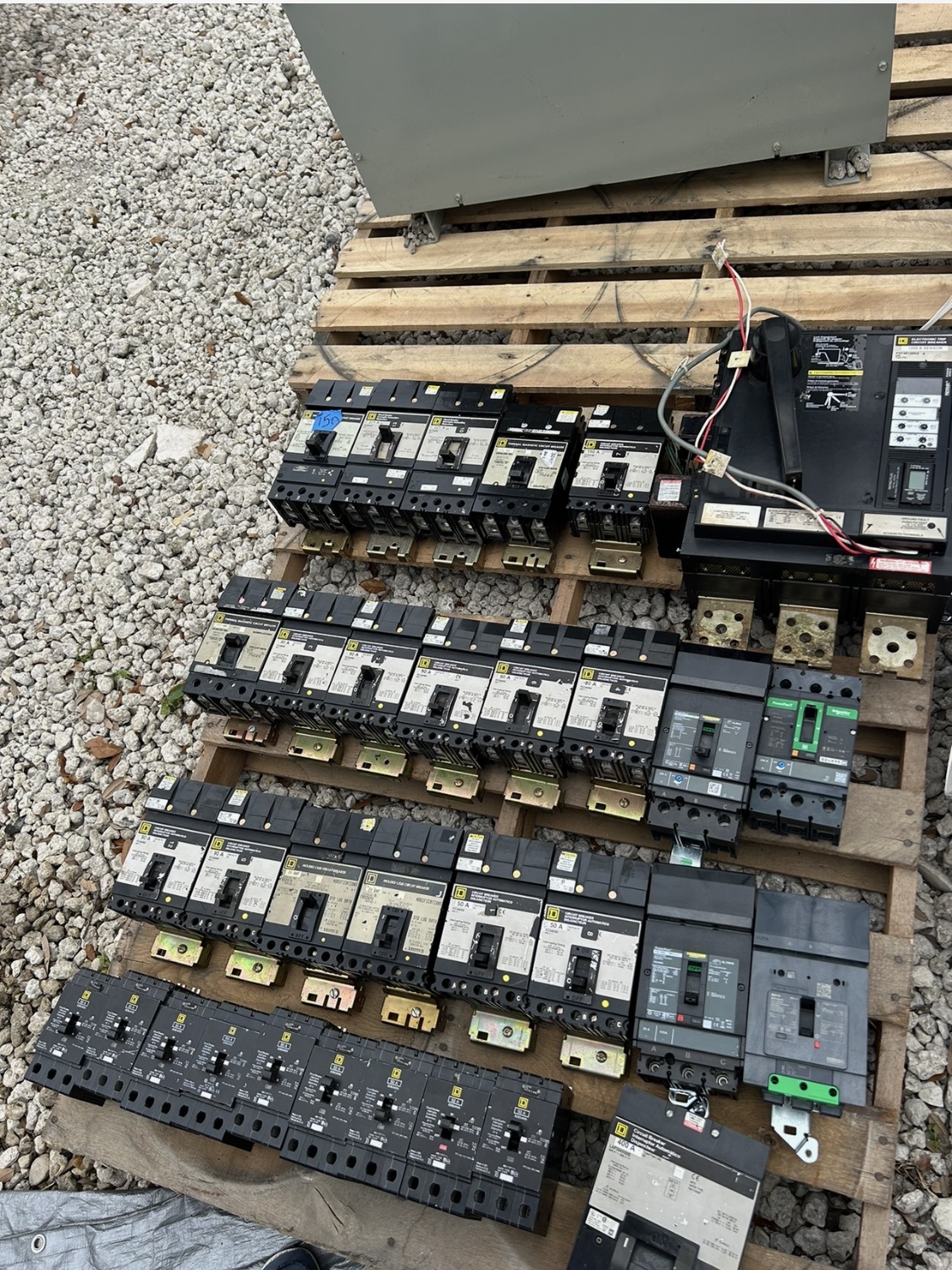
Identify sections and accessories by product family rather than grouping everything by appearance. A collection of straight lengths may not represent a complete usable run. List elbows, joints, end feeds, plugs, and supports separately so the proposed transaction shows what is present and what is missing.
The equipment review may involve straight sections, fittings, bus plugs, and associated distribution components. Group related items while keeping individual configurations visible. If your enquiry includes equipment outside the principal category, list it in a separate section rather than burying it in a description of the main asset. That makes it easier to define a coherent package and identify any items that need separate consideration.
Understand Configuration and Completeness
Completeness matters when evaluating busway and bus duct. Describe the asset as it will be supplied, including installed components, loose accessories, available documentation, and parts that will be retained. A photograph taken before equipment was stripped or modified can create the wrong impression if it is presented without an explanation of subsequent changes.
Useful groupings include complete runs, unused project surplus, and compatible grouped components. Identify which components belong together and which are independent. If similar units have different ratings or options, give each configuration a separate line. This is especially helpful when a single project contains a mixture of original equipment, later additions, and spare stock that has never been installed.
For the enquiry headed Sell Surplus Bus Plugs, make the boundaries explicit. Include only the assets that the owner is authorized to release or the work that the owner wants evaluated. Do not assume a buyer or contractor will infer the correct scope from a wide photograph of a room, warehouse aisle, or equipment lineup.
Describe Condition With Useful Evidence
Condition should be described through observable facts about the busway and bus duct. State whether it is operating, stored, disconnected, incomplete, or untested, and explain when that status was last confirmed. Available inspection or maintenance records can support the description, but the existence of a record does not automatically establish current condition.
Points requiring clarification can include mixed product families, missing joints, damaged housings, and incomplete mounting components. Disclose known concerns at the beginning of the review. A candid condition summary gives the discussion a better foundation than an unsupported description such as fully functional or like new. Where a condition is unknown, retain that distinction until appropriate inspection or documentation resolves it.
Photographs should show the overall asset, its identifying labels, relevant components, and visible defects. Keep images current and connected to the inventory. If equipment has been moved since the photographs were taken, explain the new storage conditions and whether any components were removed during the move. This helps the review focus on the assets that are actually available today.
Organize the Inventory for Review
Build a simple equipment schedule for busway and bus duct. Assign each asset or lot a reference, then record its description, quantity, location within the property, and release status. Consistent references let photographs, drawings, maintenance notes, and later questions point to the same item without relying on informal names that change between departments.
Use a spreadsheet or a clearly organized document when the inventory includes several units. For busway and bus duct, the schedule should capture manufacturer, product series, current rating, configuration, lengths, plugs, and accessory inventory. Mark estimates as estimates, distinguish missing information from a confirmed absence, and separate complete assemblies from individual parts. A clean schedule is useful even when the project is still being defined.
The request can include complete runs, unused project surplus, and compatible grouped components, but it should not conceal differences between them. If an asset has already been promised to another party or must remain on site, remove it from the offered quantity or identify the restriction clearly. Update the schedule when availability changes so the commercial discussion remains tied to an accurate inventory.
Define the Commercial Scope
The commercial scope for sell surplus bus plugs should identify what is being reviewed and which activities are included. Equipment value, inspection, removal, packing, transport, and other project work are separate considerations. A useful discussion makes those responsibilities visible instead of allowing a short description to imply a complete package of services.
Configuration and completeness help explain why superficially similar busway and bus duct may require different treatment. The practical circumstances also matter: an identified asset ready for collection is a different proposition from equipment that remains connected inside an operating facility. Supply the relevant facts so the review reflects both the equipment and the work associated with it.
Before accepting a proposal, review the asset list, exclusions, assumptions, proposed handover point, and any conditions attached to the transaction. Ask for clarification where the wording leaves a responsibility open. A preliminary conversation is a useful starting point, but it should lead to a written scope that both sides understand before equipment or project commitments change.

Plan Access and Equipment Release
Access is an important part of planning around busway and bus duct. Describe where the assets are located, how they can be reached, and whether there are loading, security, operating-hour, or building restrictions. Include available drawings or access photographs where they help explain the route without exposing unrelated sensitive site information.
For installed busway and bus duct, identify the party responsible for authorizing release and arranging any required isolation or preparatory work. Do not treat a sale enquiry as permission to disconnect or move equipment. The project needs a coordinated release decision, especially when adjacent systems remain operational or several contractors share the same working area.
Explain whether assets are at ground level, in an equipment room, on a roof, or within a secured installation. State what is known about loading arrangements and what still needs a site review. Accurate access information helps prevent an apparently simple collection from being scoped without the practical conditions that determine how the work can proceed.
Coordinate the Work and Handover
A coordinated plan for busway and bus duct should connect the equipment schedule to the owner’s operational timetable. Identify the preferred review period, the anticipated release window, and any dates that are fixed by another project. Distinguish a target date from a confirmed arrangement so availability is not mistaken for a booking.
Projects involving straight sections, fittings, bus plugs, and associated distribution components can depend on several people and work packages. Name the person who can answer asset questions, the person who controls site access, and the person authorized to approve the commercial scope. These roles may belong to one contact or several departments; making the distinction early reduces confusion during the handover.
Review changes before they affect the agreed plan. A different quantity, missing accessory, revised access route, or delayed shutdown may change the practical scope. Keep the inventory and written instructions current, and confirm the release arrangements before movement begins. The aim is a clear sequence in which the right equipment is available under conditions both parties understand.
Address Records and Information Handling
Documentation supports a more informed review of busway and bus duct. Available records may include nameplate photographs, equipment schedules, drawings, service history, packing lists, and ownership information. Provide records relevant to the assets being discussed, and identify which documents are current. Historical paperwork should not be presented as proof of a configuration that has since changed.
When busway and bus duct includes controls, monitoring devices, computing hardware, or storage media, establish the owner’s information-handling requirements before handover. Do not assume that a purchase offer includes data erasure, configuration removal, software transfer, or certification. Any requested information-handling work needs an explicit scope and a clear account of the evidence the owner expects.
Keep confidential building information and unrelated credentials out of an initial enquiry. Start with the asset details needed to understand the opportunity and discuss a suitable route for more sensitive material if it becomes necessary. At completion, retain the agreed inventory, transaction records, and any specifically requested handover documents in the owner’s project file.
Compare the Available Options
The appropriate route for sell surplus bus plugs depends on the equipment, the owner’s priorities, and the work required. A direct purchase discussion can be useful when the assets are identified and available. A broader recovery or service scope may be more relevant when the project also involves operational coordination or several equipment categories.
Compare proposals using the same inventory and assumptions. For busway and bus duct, a meaningful comparison should show whether complete runs, unused project surplus, and compatible grouped components are included, what condition information was supplied, and who handles the practical work. A headline figure alone does not explain whether two proposals address the same assets or allocate the same responsibilities.
Where an item is incomplete or its resale suitability is uncertain, ask how it will be treated rather than assuming it follows the same route as the rest of the lot. Keep alternative disposition decisions separate from verified purchase interest. The next step should be based on a documented review, with exclusions and unresolved questions visible to the equipment owner.
Prepare a Practical Request
To prepare a request about busway and bus duct, gather an equipment list, readable label photographs, the asset location, and a short description of your objective. State whether you need a purchase discussion, a project review, or clarification about the scope of an electrical service. Include your preferred contact method and a realistic timeframe for follow-up.
The most useful equipment details are manufacturer, product series, current rating, configuration, lengths, plugs, and accessory inventory. If some of those facts are unavailable, send the information you have and identify the gaps. A smaller, accurate inventory is a better basis for review than a larger list that combines confirmed units with assumptions. Separate photographs and notes by item reference so questions can be resolved efficiently.
Add practical restrictions that could affect the next step: access authorization, operating equipment nearby, a shutdown dependency, ownership approval, or a collection deadline. Do not include payment credentials or unrelated personal records. The initial enquiry should help establish the project and identify the information needed for a more specific discussion, without treating the request itself as a completed agreement.
Discuss Your Next Step With Reusable Surplus Inc.
Reusable Surplus Inc. can discuss sell surplus bus plugs using the equipment and project information you provide. Whether your inventory concerns straight sections, fittings, bus plugs, and associated distribution components, the next useful step is to describe the actual assets, the desired outcome, and any constraints that affect review or release. Keep the conversation focused on an identifiable scope.
Call (812) 774-0433 or email reusablesurplusinc@gmail.com to begin. Mention Sell Surplus Bus Plugs and provide a brief inventory summary so the enquiry can be placed in context. If you are comparing several equipment categories, identify the main asset group first and then list the associated items that need consideration.
An enquiry starts a discussion; it does not establish an accepted offer, a scheduled appointment, or a confirmed collection. Those details should be agreed separately after the scope is reviewed. Before proceeding, confirm the equipment list, responsibilities, relevant documentation, and practical arrangements. That gives both parties a clear reference for the next stage of the project.